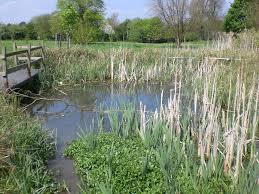
wild life pond
It’s taken some gardeners a while, while others have been there all along, yes the garden is not yours or for your sole use, it is an ecosystem, to be cherished and most importantly nurtured. Here are a few ideas of how you can help to put the ‘Wild’ into your garden.
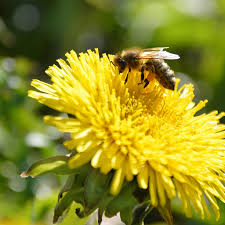
Bee on Dandelion
The first thing is to embrace a bit of ‘untidy’ this will help to create a lot of different habitats in your garden. So a little less gardening and a bit more sitting in your garden, what’s not to like!
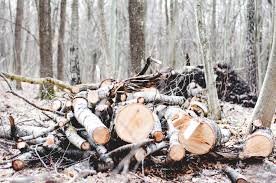
wildlife log pile
Log piles: Collect up those fallen branches and twigs, as many different sizes as possible, and stack in a shady spot out of the way, where they want get disturbed. Wonderful as a hibernation spot for over wintering hedgehogs. A spot for grass snakes and small mammals like field mice. Good for over wintering frogs and newts and of course for numerous insects. Slowly the wood will rot, giving more habitats to beetles and in the end enriching the soil with the nutrients that are broken down by numerous fungi back into the ground below the log pile. Handfuls of leaves stuffed into some of the cracks add yet more habitat value.
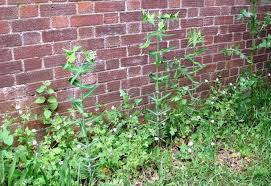
WeedyHero plants patch
Weedy Areas: Weeds are no longer weeds it’s official they are hero plants, and so they are, if you can prevent it becoming a mono culture of something rampant. It is all about specie rich weed areas. Ivy that flowers in the winter months with pollen for the ivy bee and hover flies. Early lawn daises and dandelions for spring pollinators. Nettles for butterflies. It doesn’t mean no work, if you let it go it will be the thug that hogs the space, so edit out as needed so there is lots of different hero plants. Not only is this a wonderful food source for lots of different wildlife, it will also be a good habitat for small mammals, amphibians and reptiles, so spare a bit of space round the shed or at the bottom of the garden for a wildlife rich weed patch, sorry I mean hero patch.
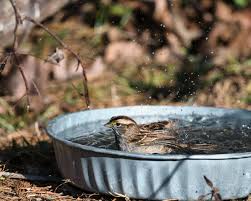
A small bowl pool can be used by many garden visits.
Water: We all know a pond is a fantastic addition to a garden for wildlife, particularly if it has sloping sides and different water levels. But not everyone has room for a pond. But you can add water, even if just seasonally. So even a washing up bowl, sunk into the edge of planting and a grassy area can provide water for birds to drink or wash in, water for mammals and a breading ground for many insects that have their lava stage in water. If it has vertical sides and is deeper than a washing up bowl, then create a rescue ramp with a small branch dipping into the bowl, so wildlife can climb out. Or you can go more natural and make a garden sized scrap. Literally dig a shallow area, where water will collect, say 350/400mm deep with shallow sides, line it if you wish to have water all year round, otherwise it will be seasonal, plant round the edges, add sticks and logs nearby and allow grass to grow longer round the edges. This will be a great extra habitat in your garden.
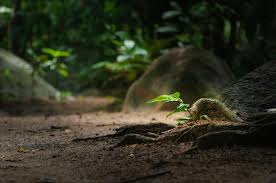
patches of bare earth are essential habitat in the wildlife garden.
Bare earth and stone piles: Don’t panic, it need not be huge and we all dig up stones of varying sizes while planting and gardening, particularly if your garden is part of a new build development. So pile them up on a bare earth spot, a sunny spot is good, this stone pile will heat up and be a wonderful habitat for cold blooded reptiles like slow warms, other lizards and grass snakes and if you are super lucky adders. Old roofing tiles and even better a bit of metal roofing are even better as a snake shelter. The bare earth is great for different varieties of insects particularly the tawny and ashy mining bee.
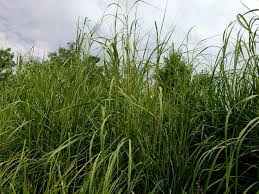
longer grass.
Grass of different lengths: Everyone still seems obsessed with meadows, and yes that is good. But really it is all about having different lengths of grass, and you don’t need a big area to accomplish this. Let the lawn where it edges the hedge grow to dandelion height and mow every 6 to 8 weeks. Allow the grass by the shed to get up to full height and cut in mid September and leave piles of grass over the winter as habitat and remove in March, for more information see ‘No Mow May’ blog May 2024, Even that close cut grass of your main lawn has habitat value, but cut it one height higher this year, good for the wildlife and it makes your lawn less likely to dry out in draught conditions and quicker to recover.
I hope I have inspired you to let a bit of the garden go! And see garden debris as habitat material instead. Happy wildlife gardening!